We are often asked the question why a home like Theresa’s House needs to exist. Theresa’s House is located in Kinshasa, the capital city of the Democratic Republic of the Congo (DRC). While rich in resources and natural beauty, the DRC has faced decades of civil war, government corruption, and multiple epidemics that have left many people (especially children) in vulnerable positions. The Cycle of Vulnerability begins with trauma that deepens further as a child is exposed to even more abuse and neglect.
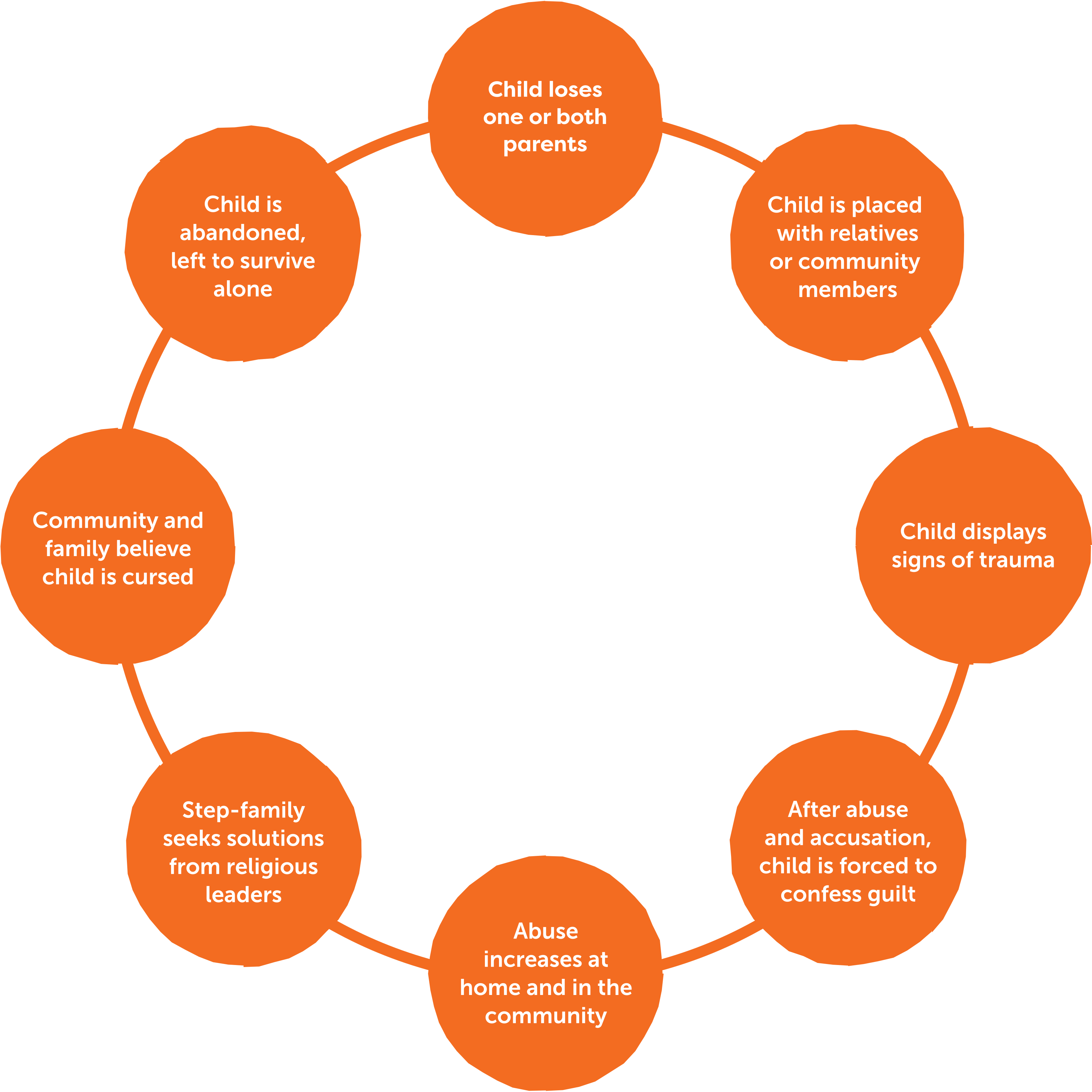
1. Child loses one or both parents
The Cycle of Vulnerability usually begins with the loss of a parent. In 2024, there were more than 6 million children in the DRC who had lost one or both parents.1 The most common causes of death are infectious diseases such as tuberculosis and malaria; respiratory and heart diseases exacerbated by the poor air quality, mining industry, and malnutrition; and violence.2 The DRC also has one of the highest maternal mortality rates in the world with 427 deaths for every 100,000 live births (compared to just 17 deaths per 100,000 births in the United States).3
When a child loses a parent, they not only lose their source of food, shelter, and protection, they also face deep grief and confusion. This fragile emotional and physical state is what opens them to the further steps in the Cycle of Vulnerability.
2. Child is placed with relatives or community members
After a child is orphaned, they are usually placed in the care of other relatives or community members. While some of these homes are able to provide proper care and support, many are unsafe environments that expose the child to even more trauma. A staggering 89% of children under the age of 14 in the DRC have suffered some kind of physical punishment or psychological aggression at the hands of their caregivers.4 Without proper support, the child’s needs are ignored or misunderstood, causing them to progress further in the Cycle of Vulnerability.
3. Child displays signs of trauma
After the grief of losing a parent and the upheaval of being transferred to an unfamiliar and potentially unsafe home, most children will begin displaying physical and emotional signs of trauma such as nightmares, fighting, wetting clothes, and acting out. Rather than being recognized as the normal trauma responses they are, their step-family sees these behaviors as signs of wrongdoing and labels the child as simply “troubled” or “bad.”
4. After abuse and accusation, child is forced to confess guilt
Already convinced of the child’s guilt, the step-family will abuse and confront them. With no options, the child is forced into a confession and internalizes the shame, believing they are bad at heart. This abuse and manipulation reinforces the child’s vulnerability and deepens their trauma.
5. Abuse increases at home and in the community
After displaying signs of trauma and being forced to confess to wrongdoings they did not commit, the child faces increased abuse and mistreatment from their step-family and the community. They are trapped in a hostile environment with no way out and no one to turn to for help, causing the cycle to escalate without intervention.
6. Step-family seeks solutions from religious leaders
Believing there is something wrong with the child, the step-family will often turn to local religious leaders for help. These charismatic leaders will mislead the family into thinking the child is a “witch” or “possessed” and the only way to cure them is to submit the child to “healing” spiritual treatments. Many of these treatments involve beating and isolating the child for days or even months, depriving them of food and water.5
Accusing children of witchcraft is a growing phenomenon in the DRC, where increasing economic hardship and political instability has led to desperation and a search for someone to blame. Step-children occupy a lower status in the household and are therefore an easy target.
7. Community and family believe child is cursed
Many children do not survive these “healing” treatments and, if they do, the stigma of being associated with witchcraft continues to haunt them. They face ongoing rejection within their step-family and community, isolating them socially and emotionally. The discrimination leads to deep psychological and emotional suffering and makes it almost impossible to reintegrate the child into normal family and social life.5
8. Child is abandoned, left to survive alone
The final step in the Cycle of Vulnerability is where we often find children who come to Theresa’s House. After dealing with great loss, abuse, and stigmatization, they are ultimately abandoned and left to fend for themselves.
On the streets, they are vulnerable to violent assaults, exploitation, hunger, and disease. Many of these children are sexually trafficked—forced into performing sexual activities, cooking, cleaning, and selling goods for others in exchange for food and shelter. They are unable to go to school and have no one to protect them. At this point in the cycle, the child will be lost without outside intervention.
The Need for Theresa’s House
When run with compassion and professional care, orphanages like Theresa’s House provide the environment that these children need to break the cycle. We are able to provide the physical support these children need to survive including shelter, food, clothing, and medical care. We are also able to give them hope for a better future by providing them with tuition and supplies to attend school.
But the most import thing that Theresa’s House offers these children is love. The only way for these children to heal from their trauma is to be surrounded by those who unconditionally love, support, and understand them. Without the constant fear of violence or rejection, they can finally learn to trust, build positive relationships, and see a path toward a better life.
Supporting Theresa’s House is not just about meeting basic needs—it is about restoring dignity and hope to children who have been told they are worthless. It is about replacing fear with safety, loneliness with belonging, and despair with opportunity. Every child deserves a chance to feel loved, accepted, and safe. For those who have lost everything, an orphanage can be the first step toward healing and a brighter future.